How I finally styled our built-in cubbies
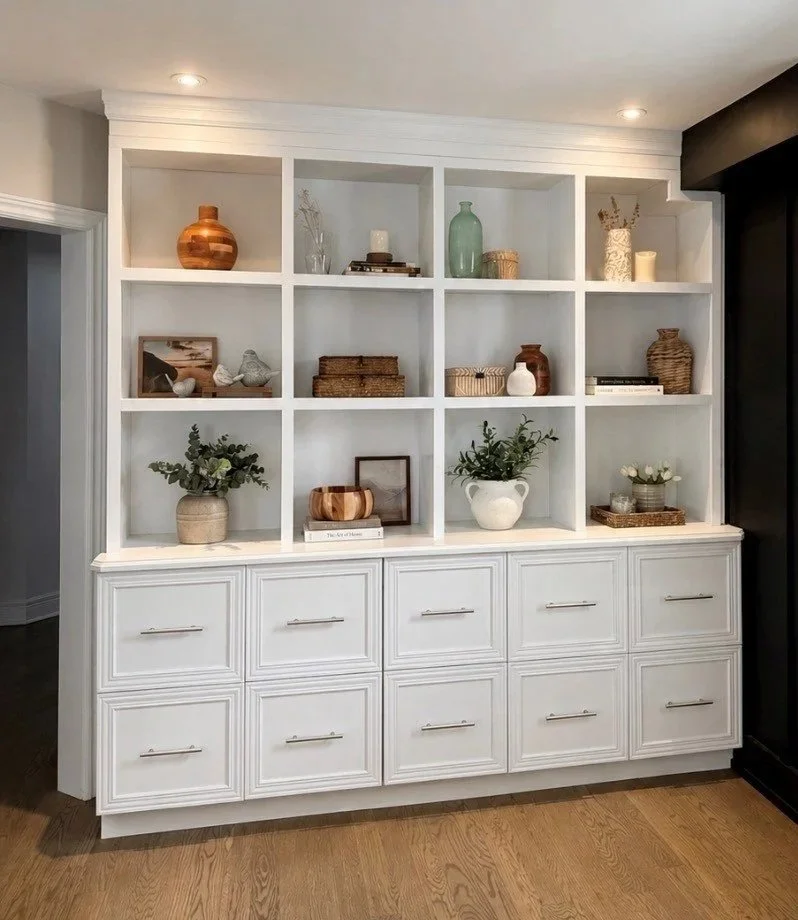
When we moved into our house, one of the features I was most excited about was this wall of built-in cubbies in our main living space.
Twelve open shelves, cupboards underneath, lots of storage…in theory it felt perfect.
Then I actually had to style it.
And I’ll be honest-standing in front of twelve empty cubbies is a different experience then imagining them styled.
It felt like I had too much space and not enough direction at the same time.
______________________
Starting Point: Too Empty, Then Too Full
At first, it tried to fill them quickly.
I think that was my instinct-make it look “done.”
But it didn’t take long to realize that when every cubby had something in it, the whole wall started to feel busy. My eyes didn’t know where to land.
So I went the opposite direction.
I removed things.
Then it felt too bare.
That back and forth happened more than once
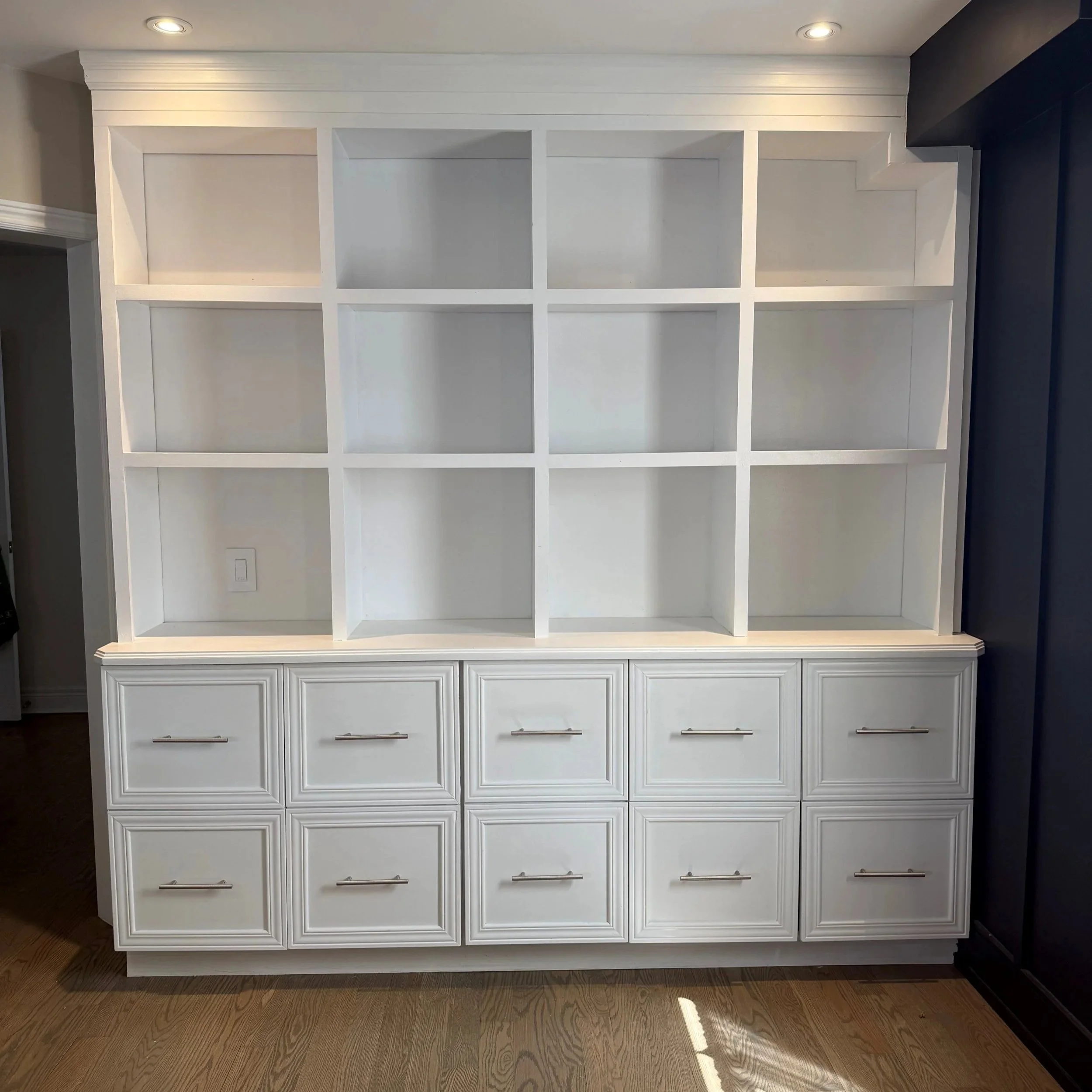
Before shot
The Real Challenge (It Wasn’t Decor)
What made this tricky is that these cubbies don’t exist on their own.
They sit on the adjoining wall to our black TV feature wall in the same room , so everything has to feel connected without competing.
I didn’t want the shelves to become the main focus of the room-but I also didn’t want them to feel like random storage.
So I kept asking myself:
Why does this still feel off?
And eventually I realized it wasn’t about needing more items.
It was about balance and layers.
_________________
What Started To Change Things
I took everything out and started over. I added all the larger items first, that way I could layer around them. I then added art on a few of the shelves so I could then layer in front of that. I added stacks of books, making sure similar items created a zig zag and then started adding bits of decor.
One of the things I noticed was height. When everything sat at the same level, the shelves felt flat. As soon as I started mixing taller pieces with lower, wider objects, the whole wall started to feel more relaxed.
Nothing fancy-just simple variation.
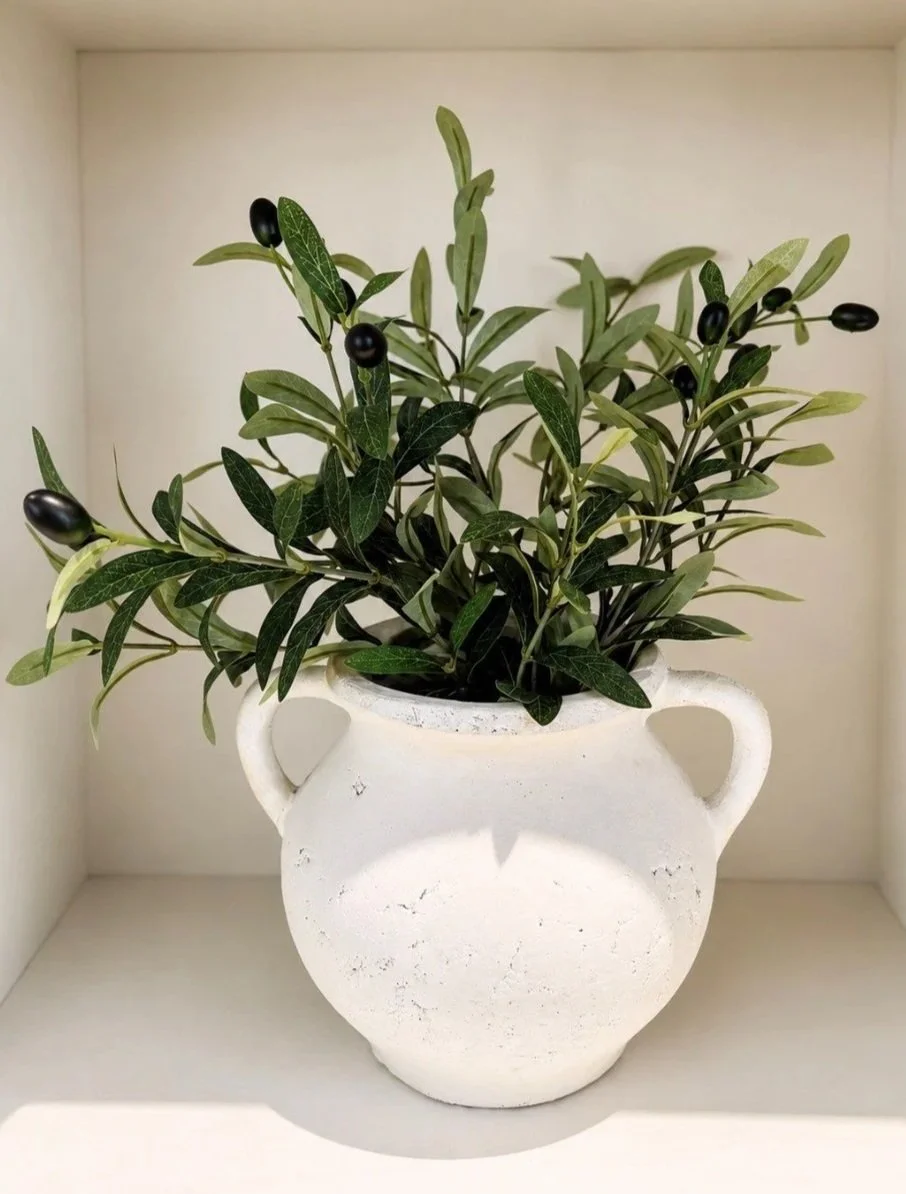
Another shift was giving things space.
This part was harder than I expected. I had so many decor pieces I wanted to display, things I’ve collected but realized when I left a few cubbies more open the whole wall felt calmer and more intentional.
__________________
Repetition Made Everything Feel Connected
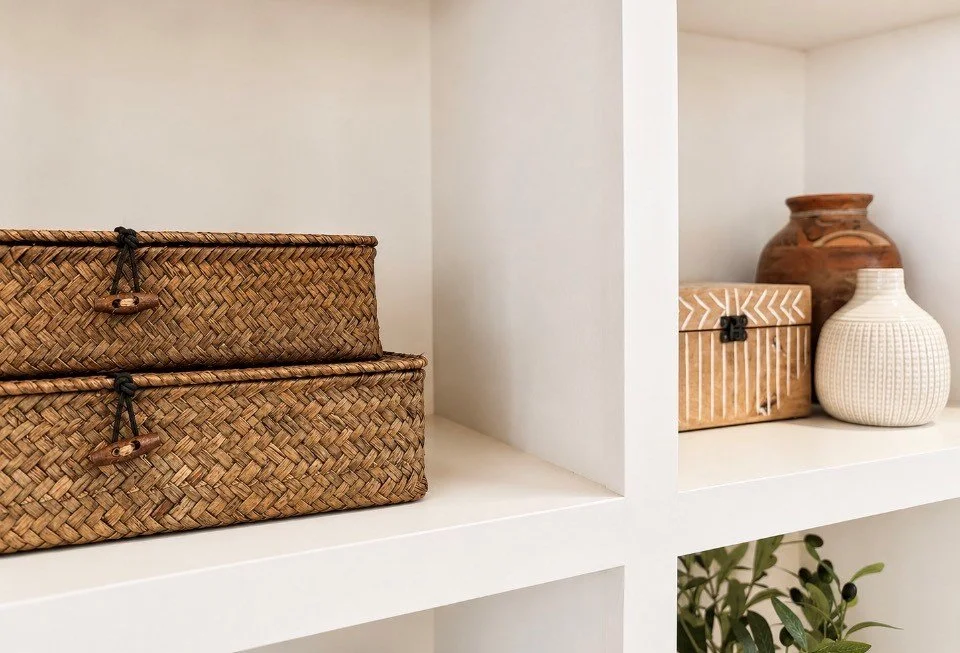
Instead of treating every cubby like it’s own little moment, I started repeating colours and materials throughout the whole wall
similar wood tones
neutral ceramics
a few books
simple greenery
Nothing overly coordinated, just enough repetition that the shelves felt like they belonged together.
Stepping Back Changed Everything
The biggest difference came from distance.
I’d style a section, step back into the room and immediately see it differently.
What looked finished up close didn’t feel right from across the room-and that’s where I ended up making most of my changes.
____________________
What I Learned
I’m still tweaking these shelves, but I think that’s actually part of the process.
Homes don’t feel finished all at once.
They settle over time.
Here’s what helped me most:
mixing heights made the shelves feel less flat
leaving some empty space created balance
repeating colours and materials tied everything together
grouping items often worked best in odd numbers
stepping back showed me what wasn’t working
____________________
If you’re standing in front of a wall of shelves wondering how to start, I don’t think the answer is filling everything at once.
Start with a few pieces.
Live with it.
Then adjust.
That’s what I kept doing and eventually it started to make sense.
There are countless articles and videos on how to style shelves, and while a lot of the rules ring true, implementing them in real life can sometimes be dauting….and that’s okay.
Use these rules as a framework then play around with them. Mix in different textures, add in a few vintage pieces, and most importantly, include things that feel like you.